

Hi there! How can we help you today?
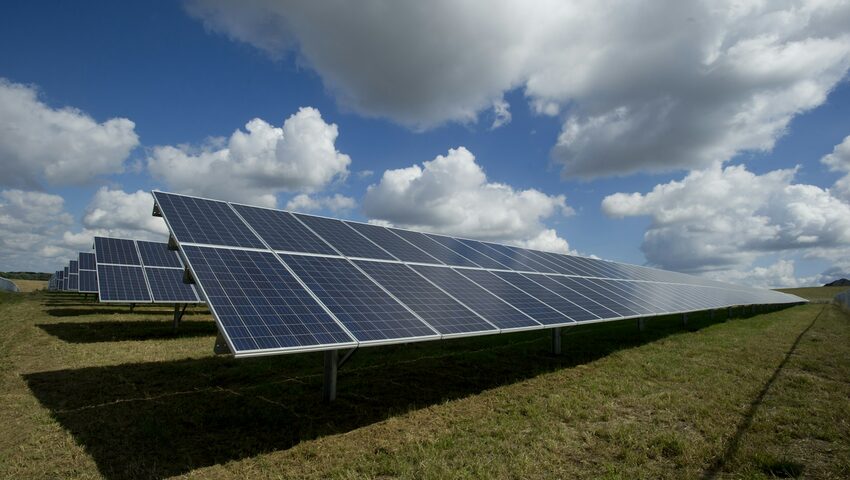
Commercial Solar Panels and Battery Storage: A Planning Guide for Businesses
-
 By EUSUK Team
- Industry Trends
- Oct 26, 2026
- 3 minutes read
- 8 Views
Thinking about solar PV and battery storage for your premises? Here is how to assess your site, size the system and plan a successful project.
Rising energy prices and sustainability targets have made on-site solar generation one of the most popular investments for factories, warehouses, hotels and offices. Adding a battery energy storage system (BESS) lets you use more of the electricity you generate and reduce expensive peak-time demand.
Step 1: Understand your energy use
Start with at least twelve months of electricity bills and, ideally, half-hourly or hourly meter data. This shows when you use energy, your peak demand and how much of a solar system’s output you could consume on site. Businesses that operate during daylight hours usually see the best returns.
Step 2: Assess the site
- Roof or ground space: orientation, tilt, shading and available area.
- Structure: a structural survey confirms the roof can carry panels and mounting systems.
- Electrical capacity: your switchgear and grid connection must handle the new generation.
- Permissions: planning rules and grid-operator approvals vary by country and system size.
Step 3: Size the system
A well-sized system maximises the share of solar power used on site. Oversizing without storage can mean exporting much of your output at low prices. Design software models yearly generation using local irradiance data and your load profile to find the optimal size.
Step 4: Choose the right components
- Panels: compare efficiency, degradation rate and warranty terms from established manufacturers.
- Inverters: string inverters, central inverters or microinverters each suit different layouts. Hybrid inverters can manage both solar and batteries.
- Batteries: lithium iron phosphate (LFP) chemistry is widely used for stationary storage because of its safety and cycle life.
- Monitoring: real-time monitoring helps spot faults and verify performance.
What battery storage adds
Batteries store surplus daytime generation for use in the evening, reduce demand charges by cutting peaks, and can provide backup power for critical loads. In some markets they can also earn revenue by providing services to the grid. The business case depends on your tariff structure, so model several scenarios.
Step 5: Evaluate the business case
Look beyond simple payback. Consider expected energy price changes, panel degradation, inverter replacement during the system’s life, maintenance costs, available tax incentives and the value of reduced carbon emissions in your sustainability reporting.
Operation and maintenance
Solar systems need relatively little maintenance, but periodic inspections, panel cleaning in dusty environments, thermal imaging to spot faults and firmware updates keep output high over 25 years or more.
Frequently asked questions
Will solar work on cloudy days?
Yes, at reduced output. Annual generation estimates already account for local weather patterns.
Can we add batteries later?
Yes, especially if you choose battery-ready or hybrid inverters at the start.
How EUSUK Holding can help
EUSUK Holding LLC is registered in France and works with clients from offices across Europe, Asia and North America, delivering projects for clients worldwide. Explore our Renewable Energy & Solar Services or contact our team at info@eusukholding.com to discuss your project.
Author
EUSUK Team
Leave a comment
Your email address will not be published. Required fields are marked *